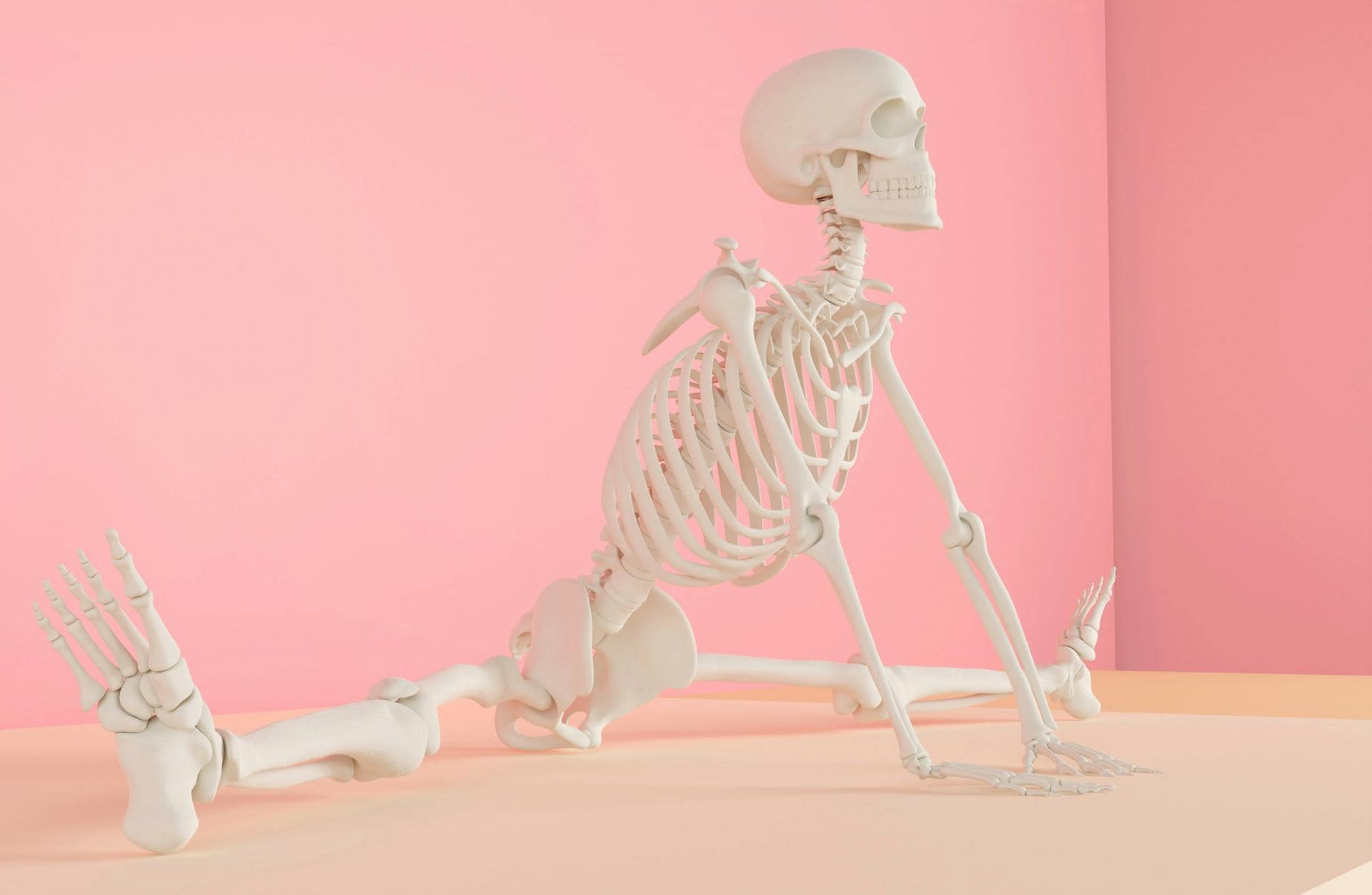
Osteoporosis is often called the ‘silent disease’ because most people don’t know they have it until they break a bone. This condition causes your bones to become weak and brittle, making them much more likely to fracture from a simple fall or even everyday activities. Unfortunately, most doctors don’t do a great job screening for this or treating it when it’s appropriate. Approximately 21% to 30% of individuals who experience a hip fracture will die within 1 year.
The good news? Osteoporosis can be detected early with a simple, painless screening test. Early detection means we can take steps to strengthen your bones and prevent fractures before they happen.
What Is Osteoporosis?
Osteoporosis literally means ‘porous bone.’ When you have osteoporosis, your bones lose density and become fragile. Think of healthy bone like a strong honeycomb structure. In osteoporosis, the holes in that honeycomb become larger and the walls thinner, making the bone much weaker.
About 12.6% of Americans over age 50 have osteoporosis. It’s more common in women than men, and the risk increases as we age. Among women 65 and older, about 27% have osteoporosis compared to about 6% of men in the same age group.
Why Does Screening Matter?
Osteoporotic fractures—especially hip fractures—can be life-changing. Only 40% to 60% of people who break a hip fully recover their ability to walk and perform daily activities like they did before. These fractures can lead to chronic pain, loss of independence, and even death.
The major fracture sites we worry about include the hip, spine, wrist, and shoulder. Hip fractures are the most serious because they often require surgery and long recovery periods. The risk of death after a hip fracture when you are 80 and older is 18-26% for men and 8-22% for women over 10 years after the fracture.
Here’s the key point: We can identify osteoporosis before you ever break a bone, and we have effective treatments that significantly reduce your fracture risk.
Who Should Be Screened?
Based on the latest 2025 guidelines from the U.S. Preventive Services Task Force, here’s who should get screened:
Women 65 Years and Older
Recommendation: Screen all women in this age group.
If you’re a woman 65 or older, you should have a bone density test. Age is one of the strongest risk factors for fractures, and the benefits of screening clearly outweigh any risks at this age.
Postmenopausal Women Under 65 at Increased Risk
Recommendation: Screen if you have risk factors.
If you’re a postmenopausal woman under 65, you should be screened if you have one or more risk factors. Your doctor can use a risk assessment tool called FRAX to help determine if screening makes sense for you. You should receive earlier screening if you went through early menopause before age 45.
This is outside of guidelines but it may be worth getting screened earlier than 65 if you participate in high activity sports like Pickleball where you are at a higher risk of getting a fracture. However, insurance may not cover this, so it’s best to speak to your doctor!
Key risk factors include:
- Low body weight
- A parent who broke their hip
- Current cigarette smoking
- Excessive alcohol consumption (more than 3 drinks per day)
- Long-term use of corticosteroid medications (like prednisone)
- Rheumatoid arthritis
- Diabetes treated with insulin
What About Men?
The current guidelines don’t provide a specific recommendation for routine screening in men because there isn’t enough research yet. However, osteoporosis can affect men too—and when men do fracture a hip, they actually have higher death rates than women.
Men should talk with their doctor about screening if they have risk factors like low body weight, smoking, heavy alcohol use, use of steroid medications, a history of falls, low testosterone, or a previous fracture.
What Does the Screening Test Involve?
The standard test for osteoporosis screening is called a DXA scan (dual-energy x-ray absorptiometry). Don’t let the fancy name intimidate you—it’s actually very simple:
- It’s completely painless
- It takes about 10-15 minutes
- You lie on a padded table while a scanner passes over your body
- It uses very low levels of radiation (much less than a regular X-ray)
- It measures bone density at your hip and spine
The results are reported as a ‘T-score.’ A T-score of -2.5 or lower means you have osteoporosis. Scores between -1.0 and -2.5 indicate low bone mass (osteopenia), which means you’re at higher risk of developing osteoporosis.
How Often Should You Be Screened?
This is where things get a bit individual. The research suggests that repeating a DXA scan every 4 to 8 years is reasonable for most women.
However, the right interval depends on your initial results:
- Normal bone density: Studies show it can take nearly 17 years for 10% of women with normal bone density to develop osteoporosis. You may not need another scan for many years.
- Mildly low bone density (T-score -1.0 to -1.49): Rescreening in about 5-10 years is reasonable.
- Moderately low bone density (T-score -1.5 to -1.99): More frequent monitoring, around every 3-5 years, may be appropriate.
- On treatment for osteoporosis: Your doctor may recommend monitoring every 1-2 years to see how treatment is working.
Your age, overall health, and other risk factors all play a role in determining the right screening schedule for you.
What If You Have Osteoporosis?
If your screening shows osteoporosis, the most important thing to know is that effective treatments exist. Research shows that medications called bisphosphonates can cut your risk of spine fractures roughly in half and significantly reduce hip fracture risk as well.
Treatment options include:
- Bisphosphonates (like alendronate, risedronate, or zoledronic acid)
- Denosumab (a twice-yearly injection)
- Other medications like romosozumab or parathyroid hormone for more severe cases
- Lifestyle changes including weight-bearing exercise, adequate calcium and vitamin D, and fall prevention. Weight-bearing exercise can reverse osteoporosis!
Building Strong Bones at Every Age
Whether or not you have osteoporosis, there are things you can do every day to support your bone health:
- Stay active with weight-bearing exercise. Walking, jogging, dancing, and strength training all help build and maintain bone density.
- Get enough calcium and vitamin D. These nutrients are essential for bone health. Good sources include dairy products, leafy greens, and fortified foods. Get enough sunlight!
- Avoid smoking and limit alcohol. Both significantly increase your fracture risk.
- Prevent falls. Remove tripping hazards at home, use good lighting, and consider balance exercises like tai chi.
- Know your medications. Some medications (like long-term steroids) can weaken bones. Talk to your doctor about any concerns.
Take Action for Your Bone Health
Osteoporosis is preventable and treatable—but only if we know about it. If you’re a woman 65 or older, or a younger woman with risk factors, now is the time to talk about screening. Medication and weight-bearing exercise can help return your bone strength.
At Jacksonville Concierge Medicine, we take the time to understand your individual risk factors and create a personalized plan for your bone health. We can help you understand whether screening is right for you, and develop a comprehensive strategy to keep your bones strong for years to come.
Ready to discuss your bone health? Contact us today to schedule a consultation. Your bones will thank you.
Sources
https://jamanetwork.com/journals/jama/fullarticle/2829238
https://www.uspreventiveservicestaskforce.org/uspstf/recommendation/osteoporosis-screening
https://www.aafp.org/pubs/afp/issues/2011/0515/p1197.html