Do you feel exhausted all the time, even after getting enough sleep? You might be low on iron. Iron deficiency is the most common nutritional problem in the world. About 1 out of every 3 people doesn’t have enough iron in their body. Many people don’t even know they have it, but it can really affect how you feel every day.
Doctors recently changed how they determine if someone has an iron deficiency, allowing more people to get help sooner. Let’s learn what iron deficiency is and what you can do about it.
What Is Iron and Why Do You Need It?
Iron is a mineral your body needs to stay healthy. Think of it as fuel that helps your body work properly.
The most important job of iron is to carry oxygen in your blood. Your red blood cells contain a protein called hemoglobin (say: HEE-moh-glow-bin). Hemoglobin picks up oxygen from your lungs and delivers it to every part of your body. Without enough iron, your body can’t make enough hemoglobin. This means less oxygen gets to your muscles, brain, and other organs.
Iron also helps your muscles work properly, gives you energy, and keeps your immune system strong so you can fight off sickness.
How Iron Deficiency Happens: Three Stages
Iron deficiency doesn’t happen overnight. It develops slowly in three stages:
Stage 1: Your Iron Stores Get Low Your body keeps extra iron stored away for when you need it. In this first stage, those stores start to run out, but you still have enough iron in your blood. You probably won’t notice any symptoms yet.
Stage 2: Iron Deficiency Now both your stored iron and the iron in your blood are low. You might start feeling tired and have less energy than usual.
Stage 3: Iron Deficiency Anemia This is the worst stage. Your blood doesn’t have enough iron to carry oxygen to your body. You’ll feel really tired and may have other symptoms that affect your daily life.
New Way Doctors Test for Iron Deficiency
Here’s important news: Doctors recently changed how they test for low iron. They check something called ferritin (say: FAIR-ih-tin) in your blood. Ferritin shows how much iron your body has stored.
The new rule is: if your ferritin level is less than 45, you have iron deficiency. This new number helps doctors find iron problems earlier than before. The old number was lower, so some people with low iron weren’t getting diagnosed. Now more people can get the help they need sooner.
How Do You Know If You Have Low Iron?
The signs of iron deficiency usually start small and get worse over time. Here are the most common ones:
- Always feeling tired – This is usually the first thing people notice
- Pale skin – Your skin, inside of your mouth, and under your nails might look lighter than normal
- Trouble breathing – Especially when you’re active or exercising
- Fast or weird heartbeat
- Headaches and feeling dizzy
- Cold hands and feet – Even when it’s not cold outside
- Weak, brittle nails – They might break easily
- Sore tongue
- Weird cravings – Wanting to chew ice, eat dirt, or other non-food items (this is called pica)
- Not feeling hungry – This happens a lot in kids
Signs in Kids
In children, iron deficiency can also cause:
- Behavior problems at school or home (ADHD)
- Getting sick a lot
- Not wanting to eat
- Not growing as fast as they should
- Trouble learning and paying attention
What Causes Low Iron?
Iron deficiency happens when your body doesn’t have enough iron or loses too much. Here are the main reasons:
Losing Blood This is the number one cause in adults. You can lose blood from:
- Heavy periods in girls and women
- Stomach ulcers or bleeding in your digestive system
- Taking aspirin or pain medicine regularly
- Internal bleeding from serious problems like cancer
Not Eating Enough Iron If you don’t eat foods with iron, you’ll eventually run low. This can happen if you:
- Don’t eat a balanced diet
- Follow strict diets without planning carefully
- Can’t afford or don’t have access to healthy foods
Your Body Can’t Absorb Iron Sometimes your digestive system can’t take in iron properly. This happens with:
- Celiac disease (when you can’t eat gluten)
- Stomach infections
- Weight loss surgery
- Other stomach or intestine problems
Your Body Needs More Iron Sometimes you need extra iron because:
- You’re pregnant or breastfeeding
- You’re a kid or teenager growing fast
- You exercise or train a lot for sports
Who Gets Iron Deficiency More Often?
Some people are more likely to have low iron:
- Girls and women who have periods, especially heavy ones
- Pregnant women
- Babies born early or too small
- Young kids and teenagers (because they’re growing fast)
- Teen girls (growth plus periods)
- People who don’t eat meat (vegetarians and vegans)
- People who donate blood a lot
- Athletes who train hard
- People with long-term illnesses like kidney disease or cancer
- People who take aspirin every day
- Anyone with digestive problems
Getting Iron from Food
Your body gets iron from two types of food:
Iron from Animals (Easier to Absorb) This type of iron is in:
- Red meat (beef, lamb)
- Chicken and turkey
- Fish
- Pork
Your body absorbs about 18% of this type of iron.
Iron from Plants (Harder to Absorb) This type is in:
- Beans and lentils
- Fortified cereals and bread
- Spinach and dark green vegetables
- Raisins and dried apricots
- Nuts and seeds
Your body only absorbs about 10% of this type of iron. If you’re vegetarian, you might need to eat almost twice as much iron to get what you need.
How to Help Your Body Absorb More Iron
Do these things:
- Eat foods with vitamin C when you eat iron foods (like orange juice with your cereal)
- Mix meat with plant foods (like beef and bean chili)
- Cook your vegetables (cooked broccoli gives you 5 times more iron than raw!)
Avoid these things at meal times:
- Coffee and tea (they block iron absorption)
- Too much milk or dairy
- Whole grain bread and cereal with your iron foods (eat them at a different time)
- Soy products
How Doctors Test for Iron Deficiency
If you think you might have low iron, see a doctor. Don’t try to figure it out yourself! The doctor will:
- Do a physical exam and ask about your health
- Take a blood sample to check:
- How much iron is in your blood
- Your ferritin level (stored iron)
- How many red blood cells do you have
- Maybe test for other problems that could cause low iron
- Sometimes, do more tests to find out where the blood loss is coming from
How to Fix Iron Deficiency
Treatment depends on how low your iron is:
Stage 1: Eating Better If you just caught it early, you might only need to eat more iron-rich foods. Your doctor will tell you what to eat and check your blood again in a few months.
Stage 2 & 3: Iron Pills Most people need to take iron supplements (pills). The most common type is ferrous sulfate, which is cheap. Another type called iron bisglycinate might be easier on your stomach but costs a bit more.
Side effects from iron pills might include:
- Black poop (this is normal – don’t worry!)
- Upset stomach
- Feeling sick
- Constipation
If the pills bother your stomach, tell your doctor. They might lower the dose for a while.
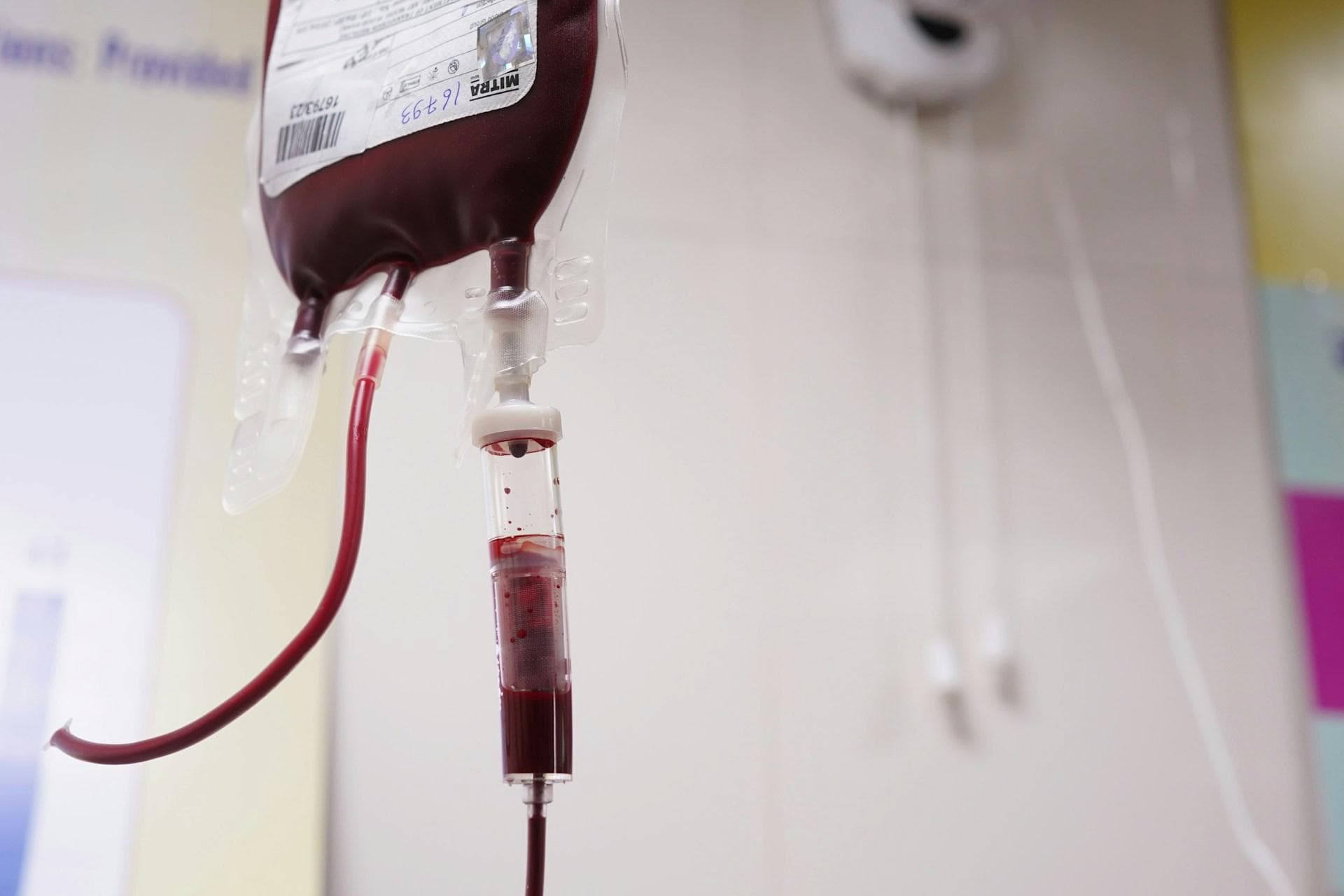
Severe Cases: IV Iron If you can’t take pills, or if they don’t work, you might need iron through an IV (a needle in your arm). This is faster but is usually only for people who really need it.
Fixing the Real Problem Taking iron is important, but your doctor also needs to find out WHY you’re low on iron. If you’re bleeding somewhere or have another health problem, that needs to be treated too. I see this happen too often where the doctor never tries to uncover the real cause. Make sure you always find out the why!
How to Prevent Low Iron
For Everyone
- Eat a variety of foods with iron
- Add vitamin C foods to your meals
- If you don’t eat meat, make sure to eat lots of beans, fortified cereals, and leafy greens
- Get your blood tested if you’re in a high-risk group
- If you’re pregnant, take iron supplements if your doctor tells you to
Important Safety Warning
Never take iron pills without talking to a doctor first! Here’s why:
- Feeling tired can be a sign of many different problems, not just low iron
- Iron pills won’t help if low iron isn’t your problem
- Some people have a condition that makes them absorb too much iron
Keep Iron Pills Away from Kids!
- Little kids might think iron pills are candy
- Just 20 mg of iron can be dangerous for a small child
- Most iron pills have 100 mg in each one
- Always keep the bottle tightly closed and out of reach
If someone swallows too many iron pills, call 911 or Poison Control right away!
How Low Iron Affects Your Brain
Iron deficiency doesn’t just make you tired. It also affects how your brain works.
In Kids:
- Harder to pay attention in school
- Trouble learning new things
- Problems with memory
- Slower development
In Adults:
- Harder to remember things
- Trouble concentrating
- Feeling “foggy” or confused
For Pregnant Women: If a mom-to-be has low iron, it can cause:
- Baby born too early
- Baby born too small
- Problems with baby’s development
This is why getting enough iron is so important for everyone, especially during pregnancy and childhood when the brain is growing.
When Should You See a Doctor?
Go see a doctor if you:
- Feel tired all the time, even after sleeping enough
- Have several of the symptoms listed above
- Have very heavy periods
- Notice any unusual bleeding
- Are pregnant or planning to get pregnant
- Follow a vegetarian or vegan diet
- Have been told you have low iron before
If you’ve been diagnosed with iron deficiency, you’ll need to see your doctor regularly (maybe every 3 months) to check how your treatment is working.
Will You Get Better?
Yes! Iron deficiency is easy to treat once it’s found.
Most people start feeling better in 2-3 weeks after starting iron pills. If you get IV iron, you might feel better even sooner.
It takes about 6 months to a year for your body to build up its iron stores again. But you should notice a difference in your energy pretty quickly.
The key is finding out WHY you were low on iron in the first place. Taking iron pills is great, but if you’re still losing blood or not absorbing iron properly, the problem will come back. That’s why working with your doctor to fix the root cause is so important.
Bottom Line
Iron deficiency is super common, but many people don’t know they have it. The good news is that doctors now have a better way to test for it (ferritin less than 45), which means more people can get diagnosed and treated earlier.
If you’re always tired, don’t just accept it as normal. You might have low iron, especially if you:
- Are a girl or woman with periods
- Are pregnant
- Don’t eat meat
- Are a kid or teenager growing fast
- Exercise a lot
Talk to your doctor if you think you might have low iron. A simple blood test can tell you for sure. With the right treatment – whether it’s eating better, taking iron pills, or both – you can get your energy back and feel like yourself again.
Remember: Being exhausted all the time isn’t normal. You deserve to feel good!
Note: This article gives you general information about iron deficiency. Always talk to your doctor for advice about your specific situation.