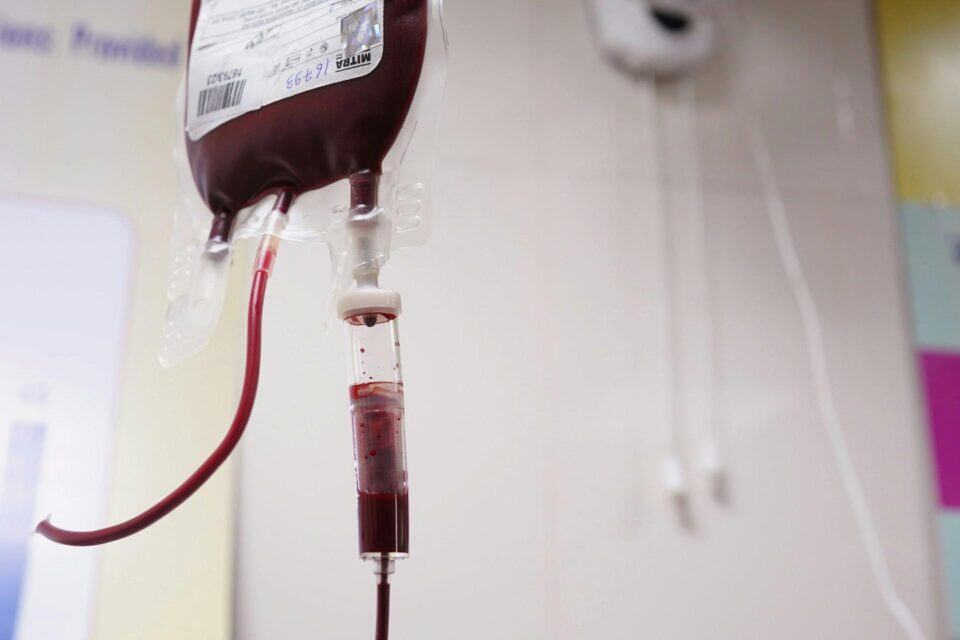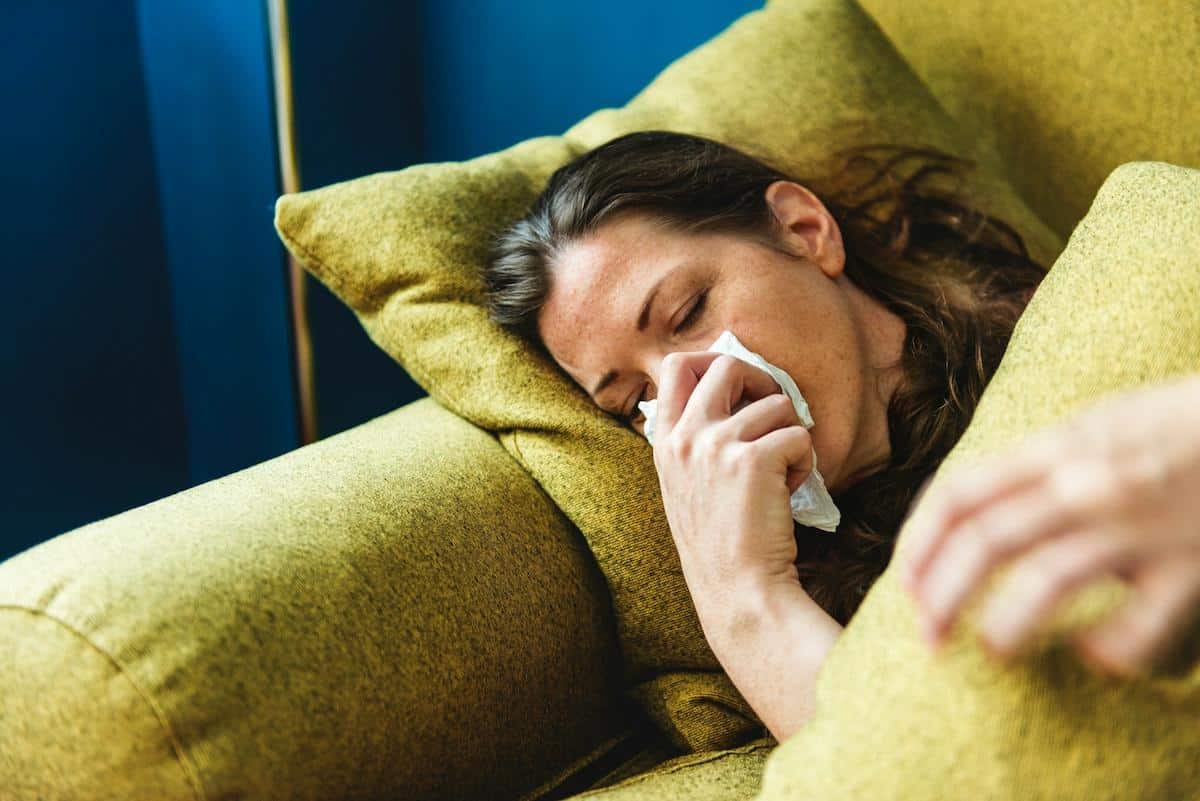
As we head into the holiday season, a new flu strain is making headlines—and making its way through Florida. Here’s what you need to know about the Subclade K variant and how to protect yourself and your family.
What Is Subclade K?
The Subclade K variant is a mutation of the H3N2 influenza A virus that has been spreading rapidly across the globe. First causing significant outbreaks in Japan, the UK, and Canada, it has now been confirmed in approximately 30 states, including Florida.
What makes this strain concerning is its apparent ability to evade our immune systems more effectively than previous variants. Early reports from the UK suggest it may cause more severe symptoms, particularly in children and older adults.
The Numbers Are Already Climbing
According to the CDC, flu activity in the U.S. increased by at least 7% in the past week alone. So far this season, we’ve seen nearly 2 million illnesses, 19,000 hospitalizations, and 730 deaths nationwide. If this sounds serious, it’s because it is—last year’s flu season was one of the worst in recent memory, with an estimated >28,000 deaths and a record number of pediatric fatalities.
Here in Northeast Florida, we’re seeing that children are being hit hardest, accounting for roughly two-thirds of flu and upper-respiratory cases.
Should You Get the Flu Shot?
The short answer: yes. (if you aren’t allergic)
This year’s flu vaccine wasn’t specifically designed for the Subclade K variant because it emerged after vaccine production was already underway. However, that doesn’t mean the shot is useless—far from it.
Data from the UK shows the current vaccine reduces hospitalization risk by 70-75% in children and 30-40% in adults, even against this mismatched strain. The vaccine essentially teaches your immune system to recognize the threat, and even with an imperfect match, it provides meaningful protection against severe illness and death.
If you haven’t gotten your flu shot yet, now is the time.
Beyond the Vaccine: Supporting Your Immune System
Sleep: Aim for 7-9 hours per night. Sleep deprivation significantly impairs immune function. Your body does its repair and immune-building work while you rest.
Nutrition: A whole food, plant-forward diet provides the vitamins, minerals, and antioxidants your immune system needs. Focus on colorful vegetables, fruits, legumes, and whole grains. Limit processed foods and added sugars, which can promote inflammation.
Movement: Regular moderate exercise enhances immune surveillance. A 30-minute walk five times a week is enough to make a difference.
Stress Management: Chronic stress suppresses immune function. This time of year can be hectic—make time for whatever helps you decompress, whether that’s meditation, time in nature, or simply saying no to overcommitment.
Practical Prevention Steps
The basics still matter:
- Wash your hands frequently with soap and water
- Use alcohol-based hand sanitizer when washing isn’t available
- Avoid touching your face
- Disinfect frequently-touched surfaces
- Stay home when you’re sick (and keep sick kids home)
- Consider wearing a mask in crowded indoor settings if you’re high-risk
When to Seek Care
Flu symptoms typically come on suddenly and include fever, chills, cough, sore throat, body aches, headache, and fatigue. Children may also experience nausea, vomiting, or diarrhea more frequently than adults.
Seek immediate medical attention if you experience:
- Difficulty breathing or shortness of breath
- Persistent chest pain or pressure
- Confusion or altered mental status
- Severe muscle pain
- Seizures
- Symptoms that improve then return with worsening fever and cough
For my concierge medicine patients, you have direct access to me when you need it—don’t hesitate to reach out if you’re unsure whether your symptoms warrant concern.
The Bottom Line
The Subclade K variant is a reminder that influenza remains a serious public health threat. Protect yourself by getting vaccinated, practicing good hygiene, and supporting your immune system through healthy lifestyle choices.
If you have questions about the flu vaccine, your individual risk factors, or how to optimize your health this winter, I’m here to help.
Dr. Kyle Mikals is a board-certified Internal Medicine physician and Fellow of the American College of Physicians (FACP) serving Jacksonville’s Southside, Beaches, and Nocatee communities through Jacksonville Concierge Medicine. For more information, visit MyJaxConcierge.com.